No design bias to lift and shift
A 2020 memory loss erased my assumptions about how technology is ‘supposed’ to solve a problem. I do not reach for the historical process and bolt AI onto it. I cannot. I have to look at the work as it actually is.
Enterprises have bought the AI. They have not yet applied it to the work. The friction was never the technology — it is the absence of design. Here is the case, sourced.
For the first time in history, the technology has outpaced the use cases.
The capability is already here. What is missing is knowing where to point it: where to begin, and how to get it right. That is the work I do.
Spend is not the problem, and neither is model quality. AI is being bolted onto processes nobody stopped to examine, so pilots fail where the tool meets a foundation that was never fixed.
Projected enterprise AI software spend in 2026, nearly triple the year before.
Of generative-AI pilots produce no measurable financial impact. The failure is workflow integration, not the model.
Of organizations are layering AI on top of existing processes, building on the broken foundation instead of fixing it first.
Before a line of it is built, the work is to map the current state, find the real friction, and reverse-engineer the right thing. Skip it, and AI lands on a broken foundation. When McKinsey tested 25 factors across nearly 2,000 companies, the discipline that prevents this rose above every other.
Redesigning the workflow had the single strongest correlation with financial impact of any factor tested across ~2,000 organizations.McKinsey State of AI · 2025
Of transformation budget the average company gives to change management.
Of resources a successful AI transformation actually requires for the people-and-process side.
The rate at which AI projects fail compared with other IT projects. It is not just another rollout.
This is the whole reason the practice exists. Diagnosis before decoration. Systems before surface. The build is the easy part. Redesigning the work around it (Step Zero) is the part almost everyone skips.
The senior operator is personally fluent and organizationally stuck. The tools are in hand. What is missing is the path from personal use to a deployed system.
Of HR professionals now use AI to support recruiting, up from 51% a year earlier.
Of HR leaders at director level and above had personally adopted AI by 2025. The intent is concentrated at the top.
Of organizations offered any prompt-engineering training, leaving fluent users to teach themselves.
Nearly half of leaders name the same blocker out loud: a skills gap, not a tooling gap. What is missing is not another tool. It is Step Zero, and someone able to do it.
The discipline gets skipped because it is genuinely hard. It asks for two things at once that rarely sit in one person, and that pairing is the wedge the market is missing.
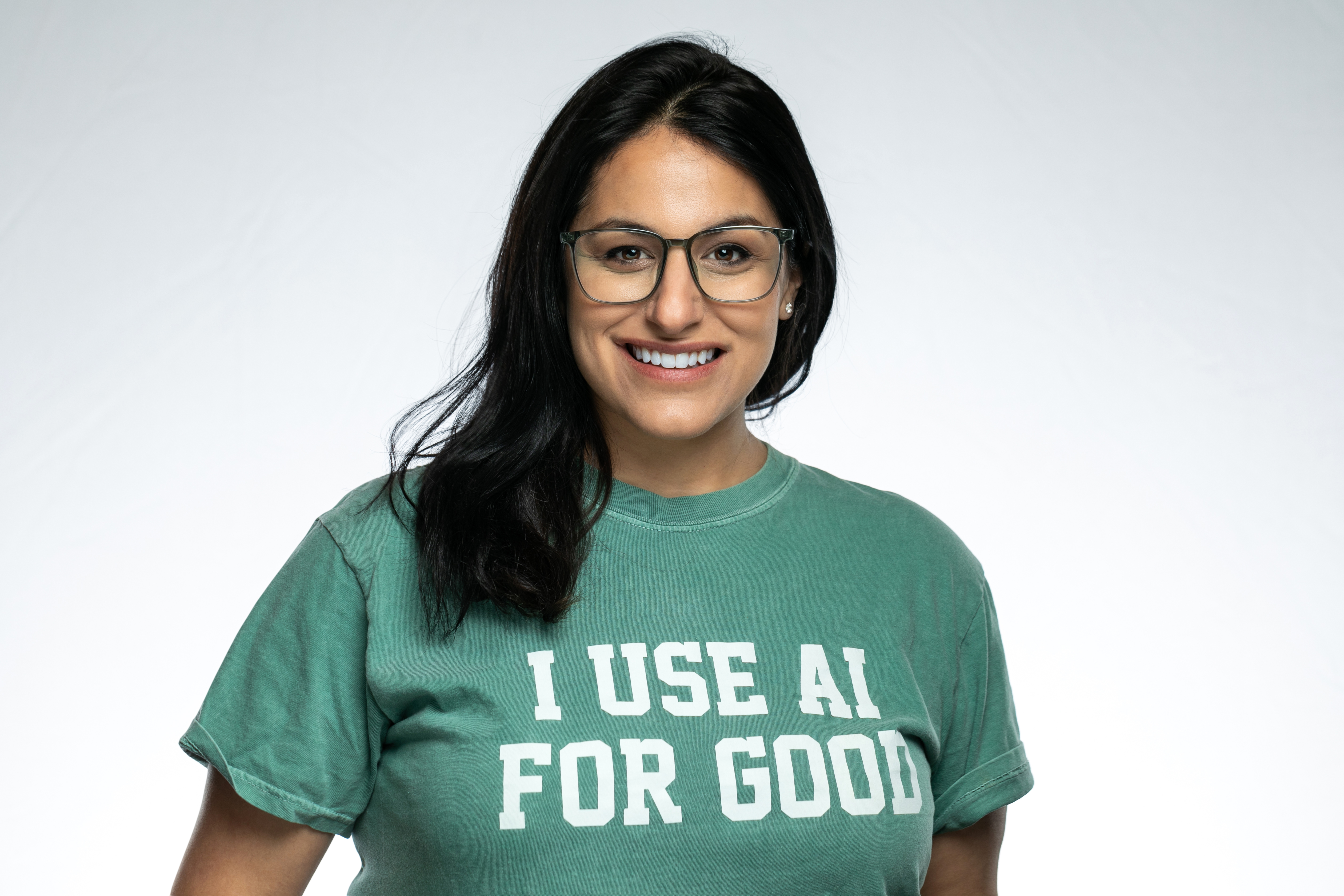
A 2020 memory loss erased my assumptions about how technology is ‘supposed’ to solve a problem. I do not reach for the historical process and bolt AI onto it. I cannot. I have to look at the work as it actually is.
Not what the demo promises. What it does inside a real workflow. Pair that fluency with a blank design slate, and Step Zero becomes possible: name what good looks like now, then reverse-engineer the system that gets there.
I do not lift and shift the old way onto new tools. I ask what good looks like now, and build backward from it.
AI inside regulated hiring decisions is an expanding liability. The practice builds in the intelligence, signal, and content layer, and stays out of the zone where the law is moving fastest.
Have introduced AI employment bills. The regulated patchwork is real and growing, and not preempted by federal action.
Holland & Knight · Reed SmithA federal court let a nationwide case proceed on the theory that AI vendors can be held liable as employer ‘agents.’
Reed Smith · 2026Of companies planned to use AI to screen resumes, placing them squarely inside that regulated zone.
Resume BuilderIt is not failing so much as stalling before it gets applied. Pilots run and tools get bought, but the daily work does not change. The real question is not whether the model works. It is whether the workflow around it was redesigned to let it land.
The window is open and the cost of waiting compounds. Teams that redesign the work now build a lead that later movers struggle to close.
Most teams bolt it onto a workflow they never changed, so even a capable model has nowhere to take hold. The fix is rarely a better tool. It is naming the one workflow worth changing first, then grounding the AI inside it.
Usually the approach. Most teams already have capable models. What is missing is the grounding and the workflow change that let them land.
Name the friction you keep hitting. We will start there, with diagnosis, not decoration.